
Key takeaways
- The shape of the broken end names the culprit before you touch a screwdriver.
- Pair 50wt thread with an 80/12 needle, 40wt with a 90/14, and 30wt with a 100/16.
- Any needle that has grazed a pin is a thread saw, so replace it first.
- Rethread with the presser foot up so the thread seats between open tension discs.
- Thread that fails a firm hand pull will fail even faster at 800 stitches per minute.
Count the interruptions on your last long seam. Five thread breaks before the halfway point is a normal bad day at the machine, and by the third rethread most sewists have decided the machine itself is dying.
It almost never is. Nine causes explain nearly every snapped top thread that comes through my shop, and you can test all nine at your own table in under 30 minutes with a cotton swab, a scrap of muslin, and a fresh needle.
They run in order of likelihood, most common first. In practice the hunt usually ends by number three.
Read the Broken End Before You Rethread
The snapped tail is evidence, so look at it before you pull it free. Hold the last half inch up to a lamp and study the shape of the break.
A clean, blunt end means something sharp cut the thread, usually a burred needle eye or a nicked plate. A long stretched taper that curls back on itself means tension pulled the thread past its limit. An end frayed out like a tiny paintbrush means the thread was sawed apart, either by an eye too small for it or by fibers gone brittle with age.
Match your break to the table and you can often skip straight to the guilty cause.
| Break pattern | Most likely cause | Check first |
|---|---|---|
| Clean, blunt cut | Burr on the needle eye, nick on plate or hook | Causes 3 and 7 |
| Stretched taper with a curl | Top tension too high | Cause 2 |
| Frayed like a paintbrush | Needle eye too small for the thread | Cause 5 |
| Soft break, dusty shreds | Old or degraded thread | Cause 1 |
| Loops underneath before each break | Bobbin side trouble | Cause 9 |
Causes 1 and 2: The Thread and the Tension Dial
1. Old or bargain thread
Thread fails more often than any part of the machine. Unwind a 12 inch length, wrap the ends around your fingers, and give it a firm, steady pull. Fresh 50wt polyester should bite into your skin before it gives. If it parts with a soft pop, the spool is your culprit.
Thread loses strength in sunlight and across decades of storage, and bargain bin spools carry thin spots every few yards. Each thin spot is a scheduled break.
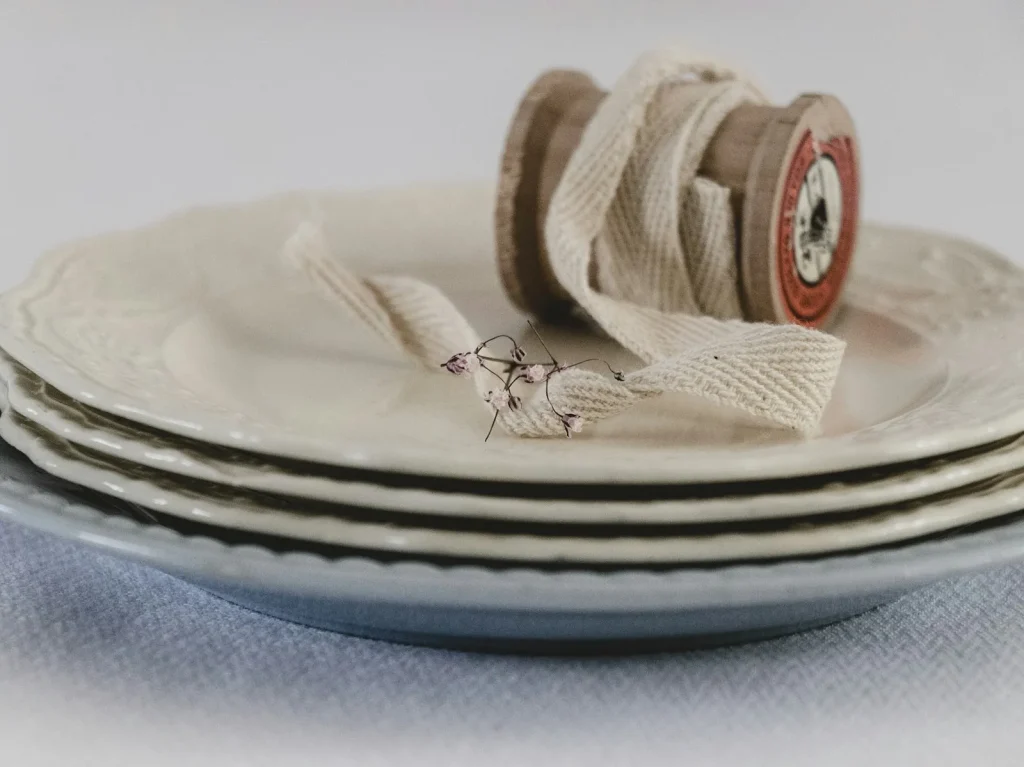
A customer once brought me a machine that snapped thread every 10 inches, regular as a metronome. She was sewing with an antique wooden spool of cotton inherited from her grandmother, and the thread dated from the 1960s. It broke in my hands with barely a tug, the same machine sewed flawlessly with fresh 50wt polyester, and the wooden spool went home to a display shelf where it belongs.
2. Top tension cranked too high
On a 0 to 9 dial, a balanced straight stitch usually lives near 4. Park the dial at 6 or 7 and every stitch stretches the thread until, somewhere mid seam, it gives. This is the break with the long taper and the little curl.
Tension rarely drifts on its own. It gets raised for one heavy project and never set back. Return the dial to 4, sew a 2.5 mm straight stitch on two layers of quilting cotton, and move half a number at a time only if the stitch asks for it.
Causes 3 to 5: The Needle and the Road to It
3. A burr on the needle eye
Needles collect microscopic burrs when they graze a pin, and one strike is enough. The burr turns the eye into a saw tooth that shaves the thread on every stitch, then cuts it clean through.
Do not bother trying to polish a burred eye. A new needle costs about a dollar and is spent after 8 to 10 hours of stitching anyway. Change it first and ask questions later.
Watch out
Sewing over pins is where most burrs are born. Pull each pin a stitch or two before the presser foot reaches it, every seam, every time.
4. A snag along the thread path
Thread should glide from spool to needle without one catch. Two snag points show up constantly: a rough spot on a metal guide, and the thread retaining notch cut into the rim of the spool.
Drag a cotton ball slowly through every guide in the path. It sheds fibers on any edge rough enough to nick thread, and that spot needs polishing before it eats another seam. Then rotate the spool so the notch faces away from the unwinding thread and cannot hook a loop on each turn.
5. Wrong needle size for the thread weight
A thick thread dragged through a small eye saws itself apart with no damage anywhere on the machine. Run 40wt topstitch thread through a 70/10 eye and the shredding starts within the first yard.
The eye has to clear the thread with room to spare, and this pairing keeps you out of trouble:
| Thread weight | Typical job | Needle size |
|---|---|---|
| 50wt | Piecing and everyday seams | 80/12 |
| 40wt | Quilting and topstitching | 90/14 |
| 30wt | Bold decorative work | 100/16 |

Causes 6 and 7: Feeding Direction and Damaged Steel
6. The spool feeding the wrong way
Look at the wind on your spool. Stacked spools show neat parallel rows, while cross wound spools show a crisscross pattern up the sides.
Stacked thread belongs on a vertical pin, where the spool rotates and the thread pulls off sideways. Cross wound thread belongs on a horizontal pin, where it slips off over the end. Reverse those pairings and the thread gains twist and drag as it feeds; at full speed the twist snarls at a guide, jerks tight, and snaps.
7. A nicked needle plate or hook
Every needle strike and every serious jam can punch a small crater into the needle plate or scar the hook, and craters have sharp rims that slice passing thread. Unplug the machine before this check, because your fingers will be working right where the needle lives.
Remove the plate and circle the needle hole slowly with a cotton swab, then wipe around the hook race the same way. The swab snags and sheds wherever there is damage. Smooth a minor nick with 600 grit sandpaper; a true crater means a replacement plate, typically 15 to 40 dollars for a home machine.
Causes 8 and 9: The Hidden Pair
8. Lint packed under the tension discs
Years of thread drag lint and spin finish between the tension discs until a small felt pad forms. The discs stop closing evenly, grip turns erratic, and the thread alternates between running loose and being clamped hard enough to break.
Raise the presser foot, which opens the discs, and draw a folded scrap of clean muslin through the slot five or six times. Gray felt riding out on the fabric confirms the fault. This 60 second cleaning prevents a surprising share of shop visits.
9. Breaks that start on the bobbin side
When the top thread snaps and the underside shows loops or a little nest just before each break, the trouble lives below the plate. A worn bobbin case spring grips unevenly, and every surge shock loads the top thread until it fails.
Slide the case out and study the flat spring the thread passes under. Thread carves a visible groove into that spring over the years, and a grooved spring cannot be adjusted back to smooth. A new case runs 10 to 25 dollars for most home machines and installs without tools.
The Ten Minute Reset When Nothing Obvious Shows
Some days you check every likely suspect and find nothing definite. Reset the entire thread system at once and you will usually clear the fault anyway, even without ever naming it:
- Rethread the top from the spool down, then rewind and reinsert the bobbin.
- Install a new needle matched to the thread, 80/12 for 50wt.
- Snap test the thread and retire the spool if it pops.
- Match the wind to the pin: vertical for stacked, horizontal for cross wound.
- Floss the tension discs with muslin, then set the dial to 4.
- Swab the needle hole and hook race for hidden snags.
- Sew a 2.5 mm test seam on two layers of quilting cotton before returning to the project.
Tip
Rethread with the presser foot up, always. The lever opens the tension discs, and thread can only seat between them while they stand open. Thread with the foot down and the thread rides outside the closed discs, which imitates half the faults on this list.
Finish the Seam You Started
Work the list in order and keep score. Causes 1 through 3 cover roughly seven of every ten thread break complaints I see, so a fresh spool, a dial set back to 4, and a new needle cure most machines for under 5 dollars.
If all nine check out and thread still parts every few inches, the fault has moved into hook damage or timing, and that is fair territory for a technician. Bring the exact thread and fabric with you; the evidence cuts diagnosis time in half.
Then go finish the seam that started all this. It has waited long enough.
Sewists who fix this once usually go on to Sewing Machine Tension: How It Really Works.
The next step for most machines is covered in Sewing Machine Stitch Problems: The Master Symptom Guide.
Frequently asked questions
Why does my thread keep breaking with a brand new spool?
New thread rules out age, not pairing. Check that the needle eye matches the weight, 80/12 for 50wt and 90/14 for 40wt, and that the spool wind matches the pin, vertical for stacked and horizontal for cross wound. Then set top tension back to 4 and rethread with the presser foot up.
Can the bobbin really break the top thread?
Yes. A worn bobbin case spring grips the thread unevenly and shock loads the top thread until it snaps, usually leaving loops on the underside just before each break. A replacement case costs 10 to 25 dollars for most home machines and installs without tools.
Can a worn needle really be what keeps snapping my thread?
Yes, and it is one of the most common causes on the bench. A needle that has been through eight to ten hours of sewing develops micro burrs at the eye that saw at the thread on every stitch, so it breaks in the same place repeatedly. Swap in a fresh needle before you touch a single tension setting.
Is old thread from an estate or an inherited stash safe to sew with?
Test it honestly first. A 12 inch length should survive a firm two handed pull, and cotton from the 1960s or earlier usually parts with a soft pop because light and decades of storage weaken the fibers. Display the pretty spools and sew with fresh 50wt polyester.
What tension setting stops thread from breaking?
Start at 4 on a 0 to 9 dial with a 2.5 mm straight stitch on two layers of quilting cotton. If breaks continue and the broken end shows a stretched curl, lower the dial half a number at a time toward 3. If the seam goes loose before the breaks stop, the real cause is elsewhere on the list.

Amit Sisodia
Amit Sisodia is a longtime sewing enthusiast and hobbyist repair tinkerer who has spent years diagnosing tension quirks, jammed bobbins, and stubborn feed dogs across everything from vintage treadle Singers to modern computerized machines. He writes practical, tested guides for BobbinWise so home sewists can spot problems early, tackle safe repairs themselves, and know when it's smarter to call in a technician.


