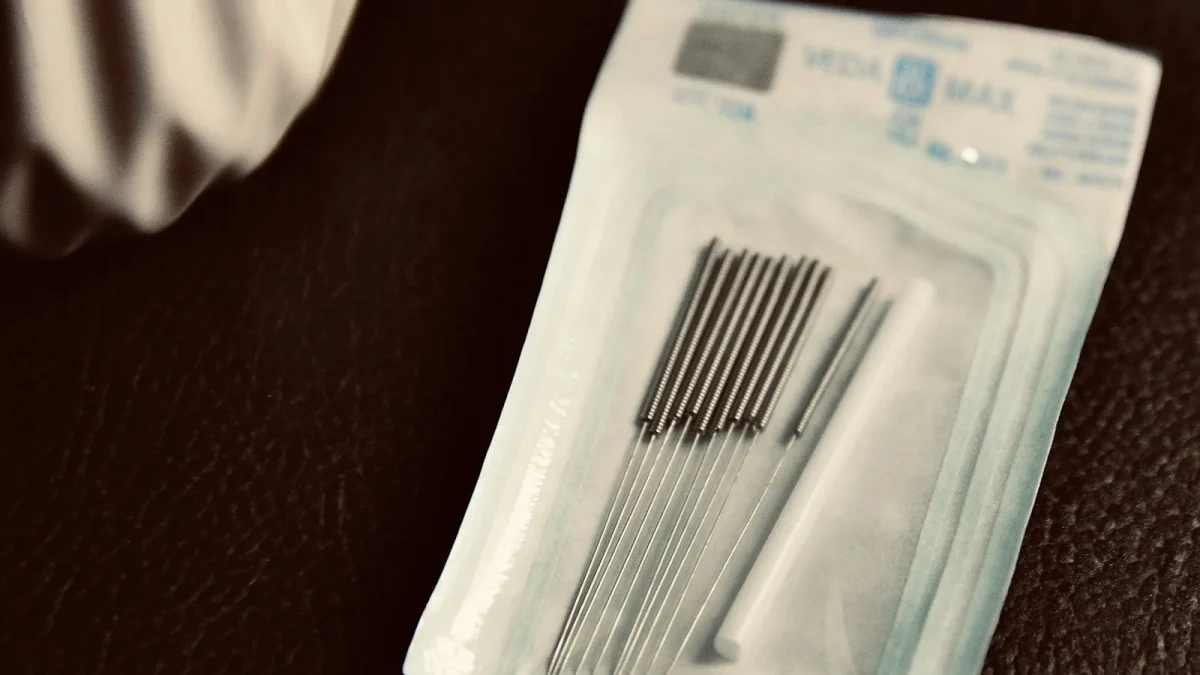
Key takeaways
- Change the needle every 8-10 hours of stitching, sooner on heavy fabric or after a pin strike.
- The fingernail drag test and the hosiery test catch a worn point before your eyes ever could.
- A dollar needle is cheaper than a single service call or one ruined yard of fashion fabric.
- Knits and silks deserve a fresh needle every time, muslin practice can finish out an older one.
- A sticky note with the install date turns the whole habit into a five second glance.
Name the priciest parts on a sewing machine and most people list the same three: the motor, the hook assembly, and on newer models, the circuit board. Each one runs into the hundreds of dollars.
The part that actually causes the most expensive feeling problems costs about as much as a candy bar. A sewing machine needle runs $0.50-1.50, and most home sewists replace it roughly a tenth as often as they should.
That gap is where skipped stitches, shredded thread, and snagged knit fabric come from far more often than a failing machine does. The needle went dull weeks ago, quietly, and nobody noticed until the fabric did.
This guide gives the exact interval, three tests that confirm a needle is finished before your eyes can tell, and the cost math that turns changing it into a five second habit instead of a debate.
The Direct Answer: Four Triggers, Not One Calendar Date
Skip the guessing. Change a sewing machine needle at whichever of these four points arrives first.
- Every 8-10 hours of actual stitching time, not calendar days sitting idle.
- Every 2-3 bobbins when the fabric is heavy: denim, canvas, upholstery, or stacked layers.
- At the start of every project that matters: a garment, a quilt top, anything leaving the sewing room.
- Immediately after the needle strikes a pin, a zipper tooth, or a snap, even if it still looks straight.
Light, occasional sewing stretches that first interval further. A Saturday of straight seams on quilting cotton is gentle on a point, while three hours of denim topstitching is not. Heavy fabric, metallic thread, and dense stitching all shorten the clock.
What a Rounded Point Does to Every Stitch After It
A brand new needle point is ground narrow enough to slide between the threads of a woven fabric, easing them apart rather than tearing them. That is why a fresh needle sounds almost silent going through plain cotton.
Every pass through fabric rubs a microscopic amount of steel off that point. Somewhere around hour 8-10, the tip has rounded enough that it stops parting threads and starts punching through them instead, catching fibers on the way.
A punched hole behaves differently than a pierced one. Threads at its edge fray and snag, which is the mechanism behind most of what sewists blame on the machine itself: skipped stitches, thread shredding at the eye, small pulls in a woven, and runs in a knit nowhere near a seam.
Knit fabric is the least forgiving of all. A ballpoint needle is shaped to push between the fibers of a knit rather than stab through them, and once that rounded tip picks up even a small burr, it snags a loop on nearly every stitch instead of sliding past it.

Three Wear Checks You Can Run at the Table
The Fingernail Drag Test
Hold the needle up to the light and drag the point across the pad of your thumbnail, away from you, with light pressure. A healthy point glides the way a new pin does.
A worn or burred point catches, scratches, or skips across the nail. That tiny snag is not your imagination. It is the same size flaw that snags fabric fibers, just large enough for a nail to register it.
The Hosiery Test
Stretch a scrap of nylon stocking or knee high fabric taut between two fingers, or over a small embroidery hoop. Push the needle point through slowly.
A good needle passes through cleanly and leaves a small clean hole. A needle that snags or pulls a visible thread is done, because hosiery nylon is fine enough to reveal a burr your fingernail missed.
The Sound Test
Listen to the machine stitch a folded scrap of the fabric you are about to sew. A sharp needle enters with a quiet, almost soft tick.
A dull needle punches audibly louder, a flatter thud in place of a tick, because it forces its way through fibers instead of slipping between them. Once you hear the difference, you will catch it from across the room.
The Cost Math That Ends the Resistance
Needles sell in packs of five for about $5-7, which works out to roughly $0.50-1.50 each depending on brand and size. That is the entire argument, and it is worth saying plainly, because resistance to changing a needle is almost never about the test. It is about the price.
Compare that to what a neglected needle actually costs. A snagged machine that skips stitches or jams the hook because of a burr often means a service call, and a basic diagnostic and cleaning visit runs $75 and up at most repair shops, before parts.
Fashion fabric raises the stakes further. A yard of good silk charmeuse or wool crepe runs $20-60, and a single snagged pull near a hemline can ruin the whole cut. One ruined yard costs more than a full year of needles for most home sewists.
I watched a customer set aside a beautiful cut of silk for six months rather than risk it on a machine that had been skipping stitches for weeks. The fix, in the end, was one needle. She had put off a change costing about a dollar and lost half a year on a project she had been excited about.
Changing the Needle: Technique and Disposal
Unplug the machine before you remove the needle, especially if your hand is also going to reach into the bobbin case or the hook area underneath.
Turn the handwheel toward you until the needle reaches its highest point, then loosen the clamp screw with a small screwdriver, usually a quarter to half turn. Let the old needle drop into your palm rather than into the machine.
Orient the new needle with the flat side of the shank facing the back on most home machines (check your manual if the machine is unusual, a few models face it left). Push the needle straight up into the clamp until it stops against the pin inside, then tighten the screw snug plus a quarter turn. Finger tight alone works loose within minutes of stitching.
Old needles are still sharp enough to break skin, so do not drop them loose into a wastebasket. Keep a small pill bottle or a mint tin at the sewing table as a dedicated sharps jar, and drop each retired needle straight into it. Tape the lid shut once it is full and toss the whole container.

Match the Needle Freshness to the Project
Some projects punish a tired needle right away. Others barely notice. Knowing which is which helps you decide whether a needle a few hours past its prime is a real risk or fine to finish out.
| Project type | Needle freshness needed | Why |
|---|---|---|
| Silk, chiffon, and other fine wovens | Fresh needle always | A rounded point snags visibly on delicate fibers |
| Jersey, rib knit, swimwear fabric | Fresh needle always | A small burr catches loops and causes runs |
| Topstitching on a visible seam | Fresh needle always | Every flaw in the stitch sits in plain sight |
| Quilting cotton, garment muslin | Fresh at project start, then monitor | Medium weight cotton is forgiving for a few hours |
| Muslin practice, test seams, scrap fabric | Tolerant, finish out the needle | Mistakes here cost nothing but thread |
When in doubt, sew a test line on a folded scrap of the actual project fabric first. The sound test and a close look at the stitch line will tell you more than the calendar can.
Build the Habit That Sticks
The interval only works if you track it, and most sewists lose count within a week of a fresh needle going in. A sticky note solves the entire problem.
Tip
Write the install date on a small sticky note and press it to the machine bed near the needle, or stick it inside the accessory box lid. When you glance down mid project and see a date three weeks old, that is your answer before you even thread a test seam.
Pair the note with the three tests above and you will stop wondering whether a skipped stitch is the machine’s fault or the needle’s. Most of the time, it is the needle, and now you know for certain.
Keep a spare pack of your usual size in the drawer so a change never waits on a shopping trip. At about a dollar a needle, this habit costs almost nothing. It only costs a little attention.
Frequently asked questions
Does a needle wear out even if I only sew a little each week?
Yes, though slower. Wear comes from stitching time and fabric weight, not the calendar, so light weekly sewing on cotton might stretch past 8-10 hours over several weeks. Track actual machine time with the sticky note method rather than guessing by date.
Can I tell a needle is worn just by looking at it?
Rarely with the naked eye. A rounded point or a small burr is often too small to see without magnification, which is why the fingernail drag test and the hosiery test matter more than a visual check. If either test catches, retire the needle regardless of how it looks.
Do different needle brands change the replacement interval?
Not by much. Organ, Schmetz, and most name brand needles hold an edge for a similar 8-10 hours under normal use, and the fabric you are sewing affects wear far more than the brand stamped on the shank. A better brand will not stretch the interval significantly.
What happens if I sew straight through a pin instead of stopping?
A single light graze can chip the point on a microscopic level without visibly bending the needle, and that chip snags every stitch afterward. Treat any pin strike as an automatic needle change, even when the machine seems to keep running fine.
Is a universal needle fine for everything, or does the type matter as much as the age?
Type matters alongside age. A fresh universal needle still performs worse on a knit than a fresh ballpoint, because the point shape, not just the sharpness, decides whether it slides between fibers or punches through them. Match the type to the fabric, then keep it fresh on the schedule above.

Amit Sisodia
Amit Sisodia is a longtime sewing enthusiast and hobbyist repair tinkerer who has spent years diagnosing tension quirks, jammed bobbins, and stubborn feed dogs across everything from vintage treadle Singers to modern computerized machines. He writes practical, tested guides for BobbinWise so home sewists can spot problems early, tackle safe repairs themselves, and know when it's smarter to call in a technician.


