Key takeaways
- Most 1960s and 1970s zigzag machines sell for $20 to $75 simply because every estate has one.
- A running machine regularly sells for three or four times what the same silent machine brings.
- Featherweight 221s and Singer 301s are the real exceptions, trading in the hundreds on condition alone.
- Cabinets and treadle consoles sell best locally, since shipping a cast iron base rarely pays for itself.
- Sold listings tell the truth that asking prices never do, so check completed sales before trusting any number.
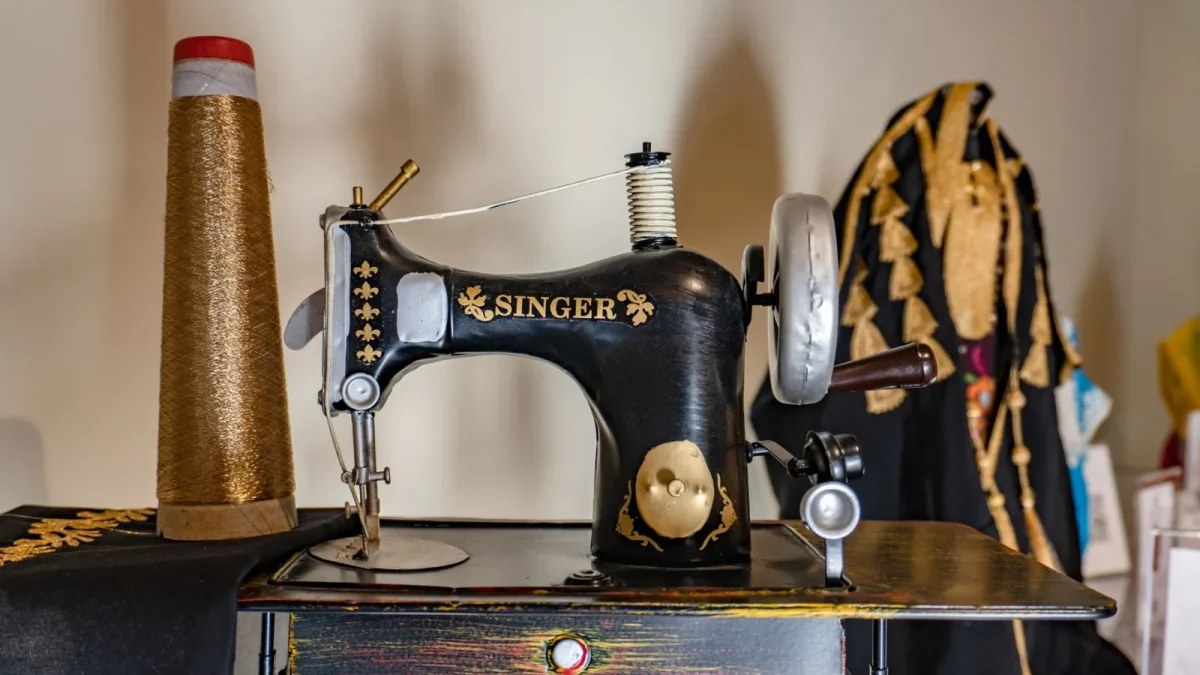
Three sewing machines come out of the house in one afternoon: a black Singer in a wood cabinet from the front bedroom, a beige zigzag from the hall closet, and a small hand crank machine nobody remembers buying. The estate sale crew lines them up on a folding table and waits.
The family has already decided the oldest one, the black Singer, is the valuable one. Someone remembers a story about a machine like it selling for eight hundred dollars, and that number has quietly become part of the plan for the weekend.
Age alone tells you almost nothing about what a sewing machine is worth, and the machine that looks the oldest is rarely the one collectors actually want. The market runs on different information than family memory does.
What follows are the real tiers, built from what these machines actually sell for once the auction ends and the money changes hands, not what a hopeful seller wrote on a sign at a flea market.
The Realistic Range, Machine by Machine
Most of what comes out of attics and closets falls into one of five groups, and the gap between the bottom and the top of that list is enormous. Here is where sold prices actually land.
| Machine type | Typical sold price | What drives it |
|---|---|---|
| 1960s to 1980s zigzag in a cabinet or case | $20-75 | Every estate has one |
| Vintage straight stitch Singer (15, 66, 201) running well | $50-150 | Completeness and finish |
| Singer Featherweight 221 | $250-500+ | Condition, case, and attachments |
| Singer 301 | $150-300 | Lightweight body, collector demand |
| Treadle in a complete cabinet | $75-250 | Cabinet condition as much as the head |
| Rare or oddball (hand crank, toy, unusual badge) | Varies widely | Needs individual research |
That range is not a typo. A common 1970s zigzag and a Featherweight 221 can be built only a few years apart and still land $400 apart at sale, because rarity and collector demand outweigh mechanical quality every time.
Why So Many Machines Land at the Low End
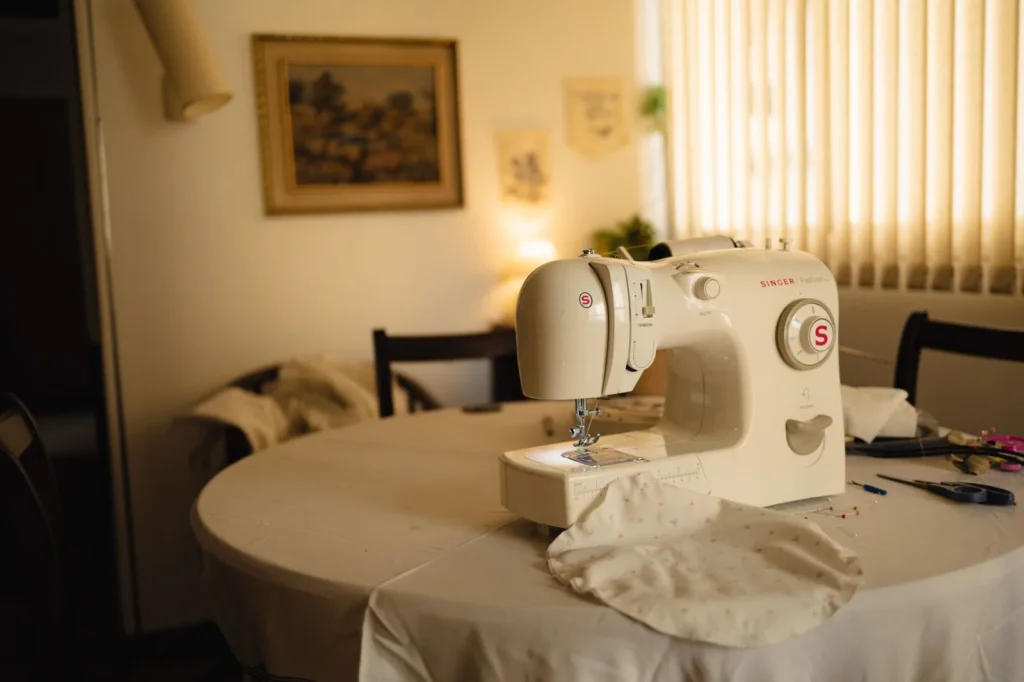
The zigzag machines from the 1960s through the 1980s are the ones families are most often surprised by, because there are so many of them. Singer, Kenmore, and White all built millions of these machines, and most households kept exactly one.
That means every estate sale, every thrift store, and every online marketplace already has a steady supply of clean, working examples. A buyer never has to pay much, because another one is always a week away.
None of that makes the machine bad. Many of these zigzag machines are excellent, all metal, and capable of sewing for another 30 years. They are simply common, and common keeps the price at $20-75 even in great condition.
The Collector Machines Play by Different Rules
Singer Featherweight 221
The Featherweight is the exception that funds the family’s vacation story. A clean, running 221 in its original case with attachments regularly brings $250-500, and rare finishes or early production numbers push past that.
Condition grading matters more here than almost anywhere else in the hobby. A Featherweight with a cracked case latch, a replaced cord, or heavy finish wear can lose a third of its value against a comparable machine in excellent original shape.
Singer 301
The 301 is the Featherweight’s less famous sibling: lighter than a full size machine, still all metal, and increasingly sought after as Featherweight prices climb. Clean examples with the original case bring $150-300.
Treadles: When the Cabinet Outweighs the Head
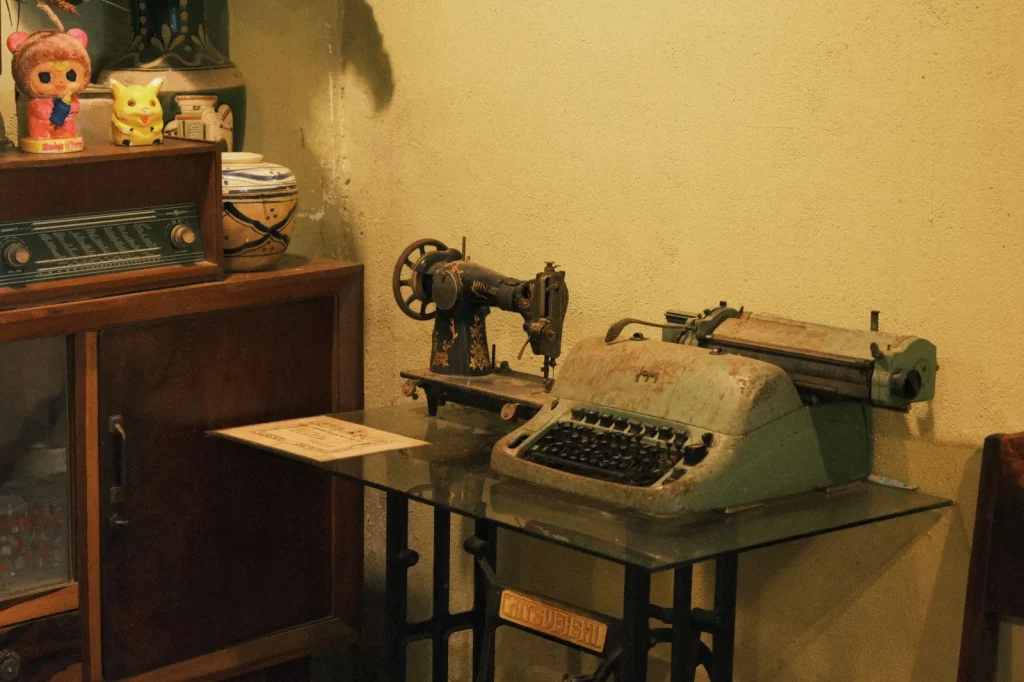
Treadle machines almost never sell for the head alone, because the head was built to live in one specific cabinet. A complete treadle, cabinet, irons, and all, typically brings $75-250.
Here is the detail that surprises most sellers: the cast iron treadle base and a solid oak cabinet can carry more of that price than the sewing machine head sitting on top of it. Furniture buyers and machine collectors are sometimes bidding for entirely different reasons.
A treadle head removed from its cabinet, on its own, is usually worth $30-60 to a hobbyist planning a hand crank conversion. The set is worth more together than the parts are worth separated.
Four Things That Actually Move the Price
Running condition
This is the single biggest lever in the entire hobby. A seized, silent machine that nobody has oiled in 20 years might sell for $30 at an estate sale. The same machine, cleaned, oiled, and stitching a clean line, can bring $120 from the same buyer pool the following weekend.
Completeness
A case or cabinet, the manual, the original attachments, and a few extra bobbins add real money, typically 20-40 percent over a bare machine. Buyers pay to avoid hunting down parts separately.
Original finish
Original japanning or original paint, even with honest wear, consistently outsells an amateur repaint. I see this mistake at least once a month in my own shop: someone strips and repaints a black Singer in a bright color hoping to make it more appealing, and the repaint cuts the value against serious buyers instead of raising it.
Watch out
Resist the urge to repaint or heavily polish an old machine before selling it. Collectors pay for original finish, and a fresh coat of paint reads as damage control, not improvement.
The cabinet question
Cabinets and consoles hurt shipping value more than they help it. A wood cabinet or treadle base is heavy, awkward, and expensive to crate, so the practical move is a local sale for anything in a cabinet and a parted out head for anyone selling at a distance.
How to Check What Your Specific Machine Is Worth
Find the model number and, where the machine has one, the serial number, usually stamped on the bed or the back of the machine. That single number narrows every price range above to an actual figure.
Then search for that model in completed and sold listings, never asking prices. Asking prices on old sewing machines are close to fiction, since a seller can list a machine at $400 and let it sit for a year.
Sold, not asking
Filter any marketplace search to sold or completed listings before you trust a number. The gap between what a seller asks and what a machine actually sells for is often two or three times.
- Record the model and serial number from the machine bed or back plate
- Search sold and completed listings for that exact model, not current asking prices
- Note whether the machine currently runs, sticks, or is fully seized
- Check for the original case, cabinet, manual, and attachments
- Look closely at the finish for repaint, heavy rust, or replaced decals
- Price a cabinet machine for local sale and a bare head for shipping
The Machines Worth Keeping Regardless of Price
Some machines fail every test above and stay in the family anyway, and that is the right call. A machine with a name attached to it, a grandmother, a great aunt, a first apartment, carries a value no price tier accounts for.
If that machine still runs, a basic clean and oil keeps it usable for the next person who wants it. If it does not run, it can sit exactly as it is. Nothing about market value obligates anyone to sell it.
Most of what comes out of an attic lands in the $20-150 range, and that is not a disappointing result, it is simply an accurate one. A few machines, a Featherweight tucked in a closet or a 301 nobody thought to check, land somewhere far better.
Look up the model, check sold prices instead of asking prices, and decide with real numbers in hand instead of a family story. The machine will be worth exactly what it is worth either way, and knowing the number beats guessing at it.
It is worth checking The $150 Repair vs the $180 New Machine Problem before you take anything apart.
The bobbin side of this question is answered in 10 Sewing Machine Repairs Anyone Can Do at Home.
Frequently asked questions
How much is my grandmother's Singer sewing machine worth?
It depends heavily on the exact model. A common straight stitch or zigzag Singer from the 1950s through the 1980s in running condition typically brings $50 to $150, while a Featherweight 221 in the same family can bring $250 to $500 or more. Check the model number stamped on the machine bed before assuming either figure applies.
Are old Singer sewing machines actually worth anything?
Most are worth something, just less than families expect. The common models land at $20 to $150 depending on condition and completeness, and only a handful of specific models, mainly the Featherweight 221 and the 301, regularly clear $150.
What is a Singer Featherweight 221 worth today?
A clean, running Featherweight 221 with its original case and attachments typically sells for $250 to $500, with rare early production examples or unusual finishes going higher. Condition drives most of the swing: a cracked case latch or heavy finish wear can cut the price by a third.
Does the cabinet add value to an old sewing machine?
A complete, solid cabinet adds real value locally, sometimes more than the machine head itself for a treadle, but it works against you for shipping. Most sellers do best pricing cabinet machines for local pickup only and treating long distance sales as a bare head.
Is it worth restoring an old sewing machine before selling it?
A clean and oil that gets the machine running is almost always worth doing, since running condition alone can multiply the sale price. Repainting or heavy refinishing usually backfires with serious buyers, who pay more for honest original finish than a fresh coat of paint.

Amit Sisodia
Amit Sisodia is a longtime sewing enthusiast and hobbyist repair tinkerer who has spent years diagnosing tension quirks, jammed bobbins, and stubborn feed dogs across everything from vintage treadle Singers to modern computerized machines. He writes practical, tested guides for BobbinWise so home sewists can spot problems early, tackle safe repairs themselves, and know when it's smarter to call in a technician.