Key takeaways
- Compare the quote to a machine of equal build quality, not to the price you paid.
- Approve almost any repair that comes in under 30 percent of true replacement cost.
- Metal drivetrains earn repair at nearly any reasonable quote because decades of life remain.
- A dead control board on a budget computerized machine is the one fault where replacement usually wins.
- Sentiment and a full accessory drawer are real dollars, so write them into the decision.
The technician slides the estimate across the counter and says the number out loud: $110. Behind you someone is testing a serger, the phone keeps ringing, and you have about thirty seconds to decide what a machine you have owned for fifteen years is actually worth.
Most owners run that arithmetic with half the information. They weigh the quote against what the machine cost new, and that one comparison sinks more good machines than any broken part ever has.
The decision needs three numbers, not one. All three are findable in an afternoon, and once they sit in front of you the answer is usually obvious.

The three numbers that settle it
The first number is the quote itself. Ask for it itemized: parts, labor, and the standard service most shops fold in. A line that reads $140 for retiming plus a full service tells you far more than $140 for repairs.
The second number is replacement cost at equivalent quality. This is the one owners get wrong. A $150 machine from a big box shelf does not replace a 1985 all-metal machine, because that older build standard now costs $400-600 to buy new.
Equivalent quality means matching the drivetrain, the motor, and the stitch quality, never the price tag. Sometimes the honest replacement figure is a $225 used machine, freshly serviced. Price that machine, not the cheapest thing in the aisle.
The third number is remaining life after the repair. A new check spring and a full service on an all-metal machine buys decades. A new board in a budget computerized machine buys whatever life is left in the plastic parts around it, often three or four years.
The 30 percent rule, with real prices attached
Here is the working rule from the repair side of the counter: a quote under 30 percent of equivalent replacement cost is almost always worth approving.
The underlying prices are less frightening than most owners expect. A standard clean, oil, and adjust service runs $75-150 at independent shops.
Common mechanical repairs land at $20-90 in parts. Tension assemblies run $15-30, drive belts $8-15, bobbin cases $20-40, motor brushes about $10, and a replacement foot pedal $25-60.
A typical real-world quote therefore falls between $90 and $180 with labor. Against a $450 equivalent replacement, that is 20-40 percent, and usually under the line.
Quick math
Not sure what equivalent quality costs? Search sold listings for your exact model plus the word serviced. The going rate for a clean, working example of your own machine is the floor of its replacement value.
The one fault where replacing usually wins
Board-level electronics break the framework, and it pays to be blunt about why. On computerized machines under about $300, the main control board plus labor routinely reaches 60-100 percent of the machine’s price.
A board for a $179 machine often lists at $95-140, when stock exists at all. Add $50-75 for diagnosis and installation and the repair has passed the price of the current model, which also arrives with a fresh warranty.
Mid-range and high-end computerized machines swing the math back. A $180 board on a $1,200 machine is 15 percent of replacement, an easy yes. The rule is not that electronics are unfixable; the rule is to never spend machine value on a board.
Watch out
Before approving any board swap, ask whether the part is new, refurbished, or salvaged, and whether the work carries at least a 90 day warranty. A salvaged board with no warranty at 80 percent of machine value is a donation, not a repair.
The value the quote never shows
An all-metal drivetrain
If the gears, cams, and shafts are metal, repair at almost any reasonable quote. Machines built this way fail at the consumable level (belts, brushes, springs, wiring) while the core mechanism runs 50 years and more.
Not sure what is inside yours? Unplug the machine, tip it back, and remove the bottom cover screws. Metal gears gleam; nylon gears are white or cream, and a cracked tooth found now is tomorrow’s failure caught cheap.
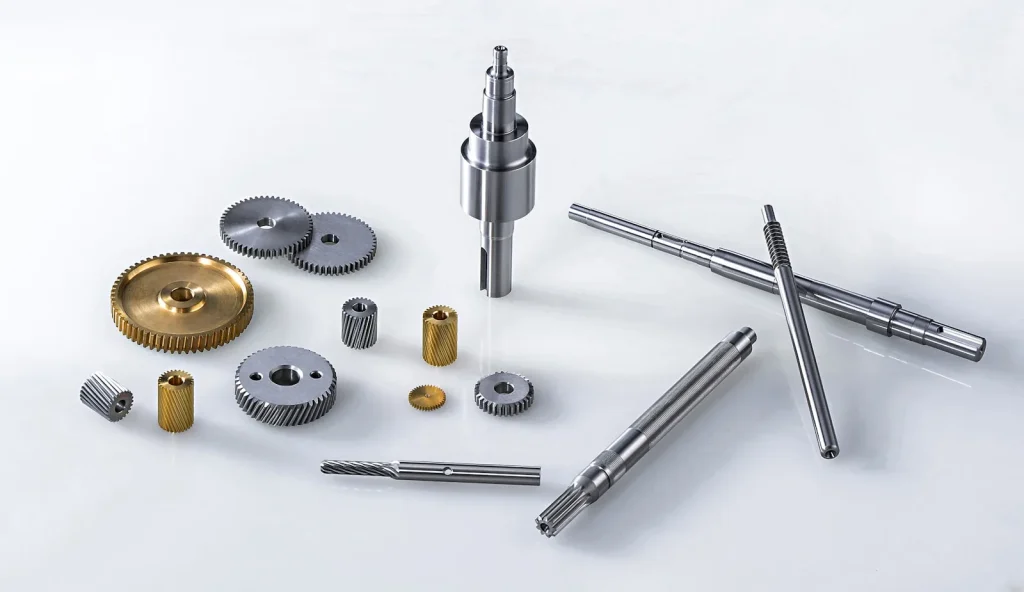
A pattern I watch repeat in my own workroom: an owner scraps a 1970s all-metal machine over a $95 quote, buys a $230 plastic-geared replacement, and is back inside 18 months with a stripped cam gear and a harder decision than the first one.
Sentiment, priced honestly
The machine that hemmed your wedding dress, or arrived from your grandmother’s sewing room, carries legitimate value. Pretending it does not count distorts the math, so put an actual dollar figure on the feeling.
If you would genuinely pay an extra $150 to keep that specific machine sewing, add $150 to the replacement side of the ledger. Priced that way, sentiment converts many borderline quotes into clear repairs.
The accessory drawer
Count what fits your current machine: presser feet, bobbins, needles, attachments. A modest drawer holds $100-200 of sunk value, and a single walking foot is $30-60 of it.
Change brands or shank types and most of that drawer becomes scrap. Class 15 bobbins will not run in a class 66 machine, and a snap-on foot collection dies the day you move to a high shank model.
The learning curve
A new machine costs hours on top of dollars. New threading path, new tension behavior, new buttonhole logic: expect 10-20 hours before your hands stop thinking about it.
If you sew on deadlines, that ramp has a real price. It never appears on any quote, and you pay it anyway.
The lean by fault and machine tier
Machine tier moves the answer more than the fault does. Budget here means under $250 new with plastic drivetrain parts, mid-range means $250-800, and all-metal covers both vintage machines and modern semi-industrial builds.
| Fault | Typical cost with labor | Budget machine | Mid-range | All-metal or vintage |
|---|---|---|---|---|
| Clean, oil, adjust service | $75-150 | Borderline | Repair | Repair |
| Belt, brushes, or bobbin case | $20-60 | Repair | Repair | Repair |
| Tension assembly | $40-90 | Borderline | Repair | Repair |
| Retiming after a jam | $75-125 | Borderline | Repair | Repair |
| Stripped nylon gear | $90-160 | Replace | Borderline | Repair |
| Motor replacement | $60-140 | Replace | Borderline | Repair |
| Main control board | $130-250 | Replace | Borderline | Not applicable |
Borderline is not a shrug. It means the 30 percent rule decides, so run your specific numbers instead of trusting the category.
Two machines, one framework
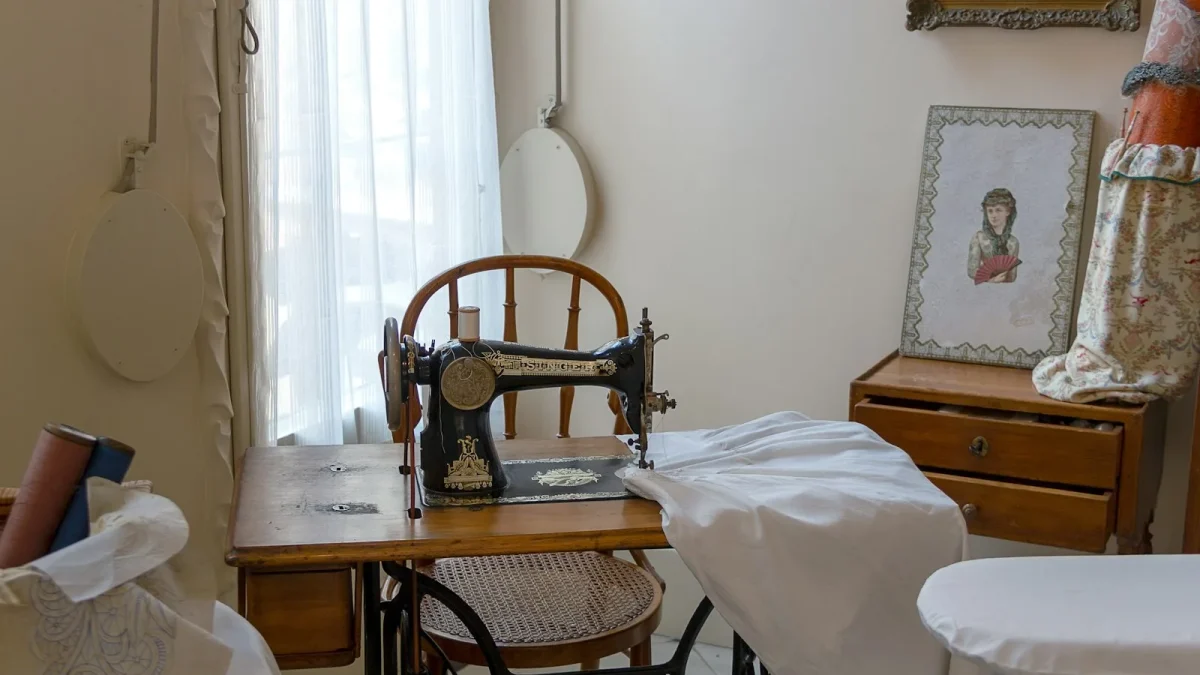
A 1978 Kenmore 158 with a $110 quote. The symptoms were skipped stitches and a handwheel that drags. The estimate covers a full service, a new check spring, and hook timing brought back to spec.
Equivalent replacement is not the $149 shelf special. Matching that all-metal drivetrain today means roughly $450 new, or $200-250 for a serviced vintage equal.
The quote sits at 24 percent of the new figure, and the machine has decades left in it. Repair, easily.
A $179 computerized machine, four years old, with a dead board. The shop quotes $150: $95 for the board and the rest in labor. The current version of the same machine sells for $199 with a fresh warranty in the box.
That repair is 75 percent of true replacement, and the surviving plastic gears and motor are also four years into their design life. Replace it, and keep the old machine as a parts and accessory donor if the bobbin class matches.
Seven questions before you answer the shop
- What does a machine of equal build quality cost today, new or used and serviced?
- Is the quote under 30 percent of that figure?
- Are the gears and shafts inside metal, plastic, or mixed?
- Does the fault involve the control board, and what share of machine value does that board represent?
- What would replacing my feet, bobbins, and attachments cost in a new brand?
- What dollar amount would I honestly pay just to keep this particular machine?
- Is this the first fault, or the third shop visit in two years?
That last question feeds the third number. A machine on its third repair in two years is announcing that its remaining life is shorter than any single part suggests.
Deciding well at the counter
Ask the technician two things before you give an answer: what else on this machine looks close to failing, and would the shop buy it used. The first answer previews the next quote, and the second is the most honest valuation in the room, because it is a number they would stake their own money on.
Then take the estimate home if you need the time. Look up equivalent replacement, add up the accessory drawer, write sentiment down as a real figure, and run the 30 percent rule once with everything on paper.
Most machines pass. Sewing machines remain one of the last household tools where fixing usually beats the shelf, and owners who know their three numbers keep good machines running for decades at a fraction of what the replacement habit costs.
This guide assumes a clean machine, which Finding Sewing Machine Replacement Parts That Actually Fit explains how to achieve.
If yours is an older machine, How Long Do Sewing Machines Last? Lifespan by Type covers what changes.
Frequently asked questions
Is a 30 year old sewing machine worth repairing?
Usually yes, if the drivetrain is metal. A machine from the early 1990s or before with metal gears has decades of remaining life, and typical repairs of $75-150 are a fraction of the $400-600 an equivalent build costs new. The exception is a cracked casting or a rare part with no remaining supply.
How much does sewing machine repair cost on average?
A standard clean, oil, and adjust service runs $75-150 at most independent shops. Common parts are modest: belts $8-15, bobbin cases $20-40, tension assemblies $15-30. Board level electronic work is the outlier at $130-250 and up.
When does replacing a sewing machine make more sense?
When the quote passes 50 percent of what a machine of equal build quality costs, when the fault is a control board on a machine under about $300, or when this is the third shop visit in two years. Any one of those tips the math toward replacement.
Do presser feet and bobbins transfer to a new machine?
Only within the same shank type and bobbin class. Low shank snap-on feet fit most modern domestic machines, but class 15 and class 66 bobbins do not interchange. Check both before switching brands, because a full accessory drawer is easily $100-200 of value.
Should I get a second repair quote?
For anything over about $150, yes. Diagnosis fees of $20-50 often apply toward the final bill, and quotes on the same fault can differ by $50 or more between shops. Ask each shop to itemize parts, labor, and service so you can compare like against like.

Amit Sisodia
Amit Sisodia is a longtime sewing enthusiast and hobbyist repair tinkerer who has spent years diagnosing tension quirks, jammed bobbins, and stubborn feed dogs across everything from vintage treadle Singers to modern computerized machines. He writes practical, tested guides for BobbinWise so home sewists can spot problems early, tackle safe repairs themselves, and know when it's smarter to call in a technician.