Key takeaways
- A twenty pound machine riding loose on a car seat turns into a projectile the moment the driver brakes hard, so the footwell always beats the seat.
- An empty bobbin case matters more than most sewists realize, since a single bobbin rattling around an empty race can chip the metal edge in one long drive.
- A shipped machine needs three inches of crush space on every side of the box, not just bubble wrap around the body, to survive a drop at a sorting facility.
- Computerized machines and closed trunks do not mix, because a trunk can swing from well below freezing to past 140 degrees Fahrenheit across a single day.
- The original box and its molded foam, kept for the life of the machine, protect better than anything bought at a shipping store, which is the whole case for storing it in the attic instead of the recycling bin.
The car hits a pothole doing thirty on the way to a Saturday retreat, and the machine on the back seat jumps hard enough to leave a dent in the vinyl seat cover. Nobody hears anything crack.
The class starts fine. A few stitches in, thread starts looping on the underside of every third stitch, because the hook timing shifted a fraction of a millimeter in that one bounce.
A sewing machine takes more damage riding in a car, a moving truck, or a shipping box than it ever takes under a presser foot. The needle bar, the hook timing, and the circuit board on newer machines tolerate thousands of stitches without complaint, then get knocked out of spec by one hard stop or one box dropped four feet onto a garage floor.
The fix is not complicated, but it changes with the trip. A weekly class needs a fraction of the padding a cross country shipment needs, and treating every trip like the biggest one wastes time, while treating every trip like the smallest one is how a hook race gets chipped on the way to guild night.
What Actually Breaks a Machine in Transit
Three things do the damage, and none show up until the machine is threaded again. Impact knocks the hook timing out of adjustment or bends a needle bar, usually from a hard stop or a dropped box. Loose parts rattling around inside the machine chip the hook race and score the bobbin case, the same way a marble in a tin can wears a groove given enough miles.
Heat and cold swing circuit boards and lubricants on computerized models outside the range they were built for, especially inside a closed trunk. A bobbin left rattling in an empty race for a forty minute drive can chip the metal, and a machine set down hard on concrete from waist height can throw the timing off enough for skipped stitches on the next seam.
Packing for a Weekly Class or Retreat
Class prep is fast because it happens every week, and skipping a step here is exactly how a hook race gets chipped on the way to guild night. Four things happen before the machine leaves the house.
Take the needle out (whatever size is currently loaded, a 75/11 or a 90/14 depending on the last project), or drop it and lower it through a folded scrap of fabric so it cannot swing loose. Lower the presser foot onto that same scrap so it is not bouncing free for the whole drive.
Empty the bobbin case. A bobbin left rattling around an empty race chips the metal edge over a surprisingly small number of trips, and a chipped race snags thread on every stitch afterward.
Bag the accessory tray contents in a zip pouch instead of leaving loose feet, screwdrivers, and bobbins rolling free inside the case. A screwdriver sliding around during a hard stop can gouge the inside of the case, and worse, work its way against the handwheel.
Where It Rides in the Car
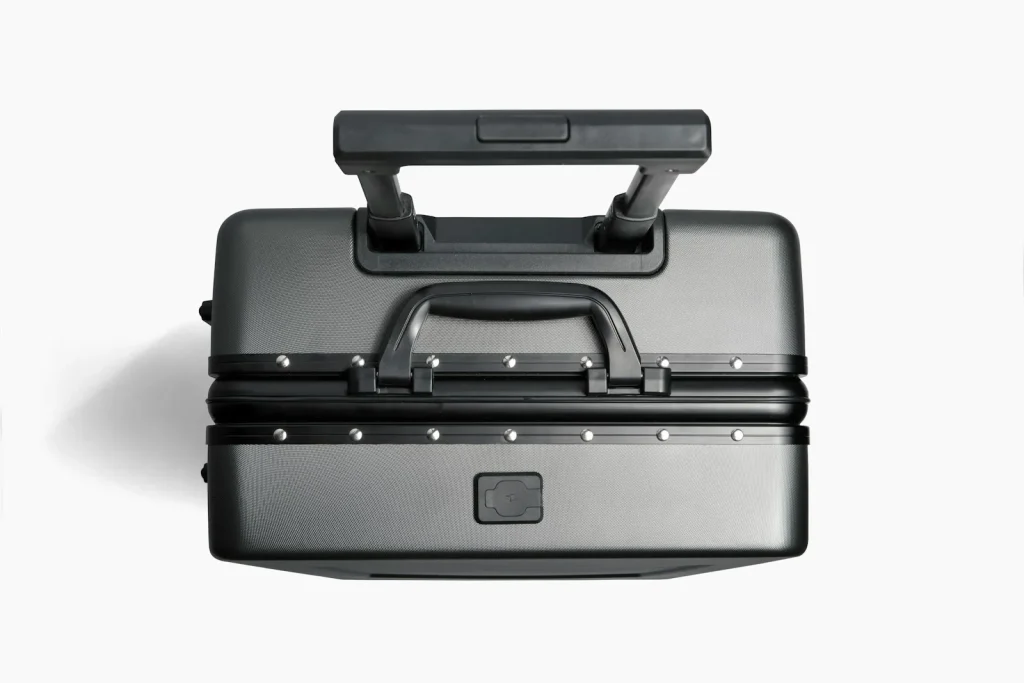
A trolley bag or a padded tote built for a sewing machine, running 35 to 90 USD depending on brand and wheels, holds the machine upright and centered in a way a repurposed duffel bag never quite manages. Zip it so the machine faces up, not resting on its side, since most machines are not designed to sit on the handwheel or the accessory bed through an hour of highway vibration.
Where that bag rides matters as much as what is inside it. The footwell behind the front seat beats the seat itself, because a twenty pound machine held in place by nothing but a seatbelt becomes a projectile the instant a driver brakes hard for a deer or a light that turns red a beat too late.
Wedged against the seat back on the floor, it has nowhere to go.
Watch out
Skip the trunk for any computerized machine, in July or in January. A closed trunk can climb past 140 degrees Fahrenheit in summer and sit well below freezing in winter, swings that stress a circuit board and its solder joints far more than the back seat ever will.
Packing for a House Move
A move asks for more than a class trip, because the machine might sit boxed for days, get stacked under other belongings by a well meaning helper, or ride in a truck for hours over interstate expansion joints. The original box and its molded foam inserts, if they still exist, are the best packing material money can buy, because they were engineered for exactly this trip.
That is the whole argument for keeping that box in the attic for the life of the machine instead of breaking it down on setup day. A machine that left the factory in foam and gets to travel in that same foam again arrives exactly as it left.
Without the original box, double box the machine: one snug inner box, then at least 2 inches of packing material on every side inside a larger outer box, using crumpled paper, packing peanuts, or towels rather than nothing. Cushion the handwheel side extra, since it is the part most likely to take a direct hit if the box tips or gets dropped on that edge.
Whatever box the machine rides in, it travels on top, never under other boxes. A single case of books stacked on a machine box for a two hour drive is enough weight, over enough bumps, to flex the housing and throw off the internal alignment a technician then has to chase down after the move.
Packing to Ship: Sold Online or Sent for Service
Shipping is the highest risk trip a machine takes, because it rides with strangers, gets stacked under other packages at a sorting facility, and might sit in an unheated truck overnight. Full prep matters here more than anywhere else.
Remove everything loose, not just the obvious accessories. That includes the two small screws holding the needle plate, which people forget constantly, since a plate that shifts in transit can bend against the feed dogs, and any extension table, foot pedal, or spool cap that is not permanently attached.
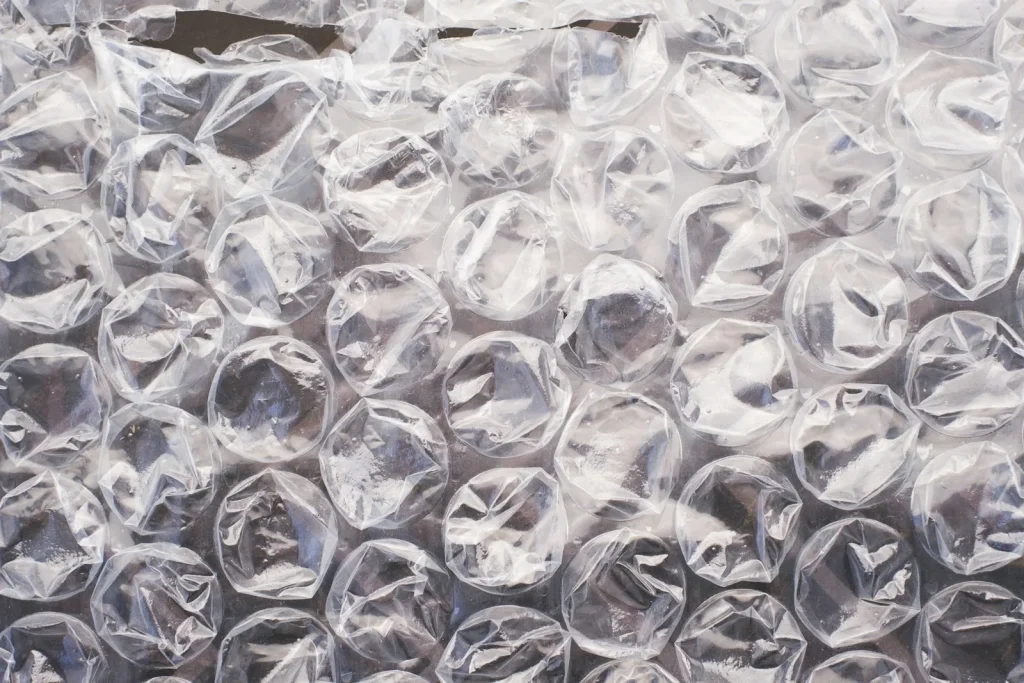
Unplug the machine and wrap the body in bubble wrap, taped to itself rather than to the machine’s paint or decals. Wedge a small foam block under the presser foot to immobilize the presser bar and the needle bar, since both bend easily if they take a sideways hit through the box wall.
Double box with at least 3 inches of crush space between the inner and outer box on every side, including the top and bottom, not just the sides. That crush space is what absorbs a drop instead of the machine absorbing it.
Insure the shipment to the machine’s actual value, not the small default, often close to 100 USD, that many carriers apply automatically to an unspecified package. A mid range computerized machine running 800 to 1500 USD new is an expensive loss to eat over a skipped insurance line that costs 15 or 20 USD.
Photograph the machine and the packing at each stage: the bare machine, the bubble wrap going on, the foam block in place, and the sealed box with its label. Those photos are the evidence a claim needs if the box arrives crushed, and a carrier without them is far more likely to deny a claim than approve one.
- Remove the needle, extension table, foot pedal, and power cord.
- Remove the needle plate screws and any other loose screws the manual lists.
- Wrap the machine body in bubble wrap, taped to itself.
- Wedge a foam block under the presser foot to immobilize the presser bar and needle bar.
- Box the accessories separately in their own padded, labeled box.
- Double box the machine with 3 inches of crush space on every side.
- Insure the shipment to full replacement value.
- Photograph the machine and each packing stage before sealing the box.
The Three Trips Compared
The prep scales with the risk, and it helps to see the three side by side.
| Trip | Protection tier | Key steps |
|---|---|---|
| Class or retreat, weekly | Light, reusable | Needle down or out, presser foot down, bobbin case empty, accessories bagged, trolley bag in the footwell |
| House move, one time | Moderate, built once | Original box and foam, or a double box with 2 inches of padding, handwheel side cushioned, never stacked under other items |
| Shipping, sold or sent for service | Maximum, built to survive strangers | Everything loose removed, bubble wrapped, presser and needle bars immobilized, 3 inches of crush space, insured and photographed |
What One Loose Accessory Box Costs
A machine that came through the shop last year had traveled from Oregon to Vermont in a moving sale, and it arrived in perfect working order: timing dead on, not a mark on the case. It had ridden the whole way in its original molded foam, inside its original box, exactly as the factory packed it.
Its accessory box made the same trip loose in the truck instead, tossed in at the last minute without so much as a paper bag around it. It arrived as a rattling collection of loose feet, a cracked bobbin case, and a snapped screwdriver tip, about 40 USD of small parts turned into scrap by a drive the machine itself handled without a scratch.
The lesson was not that the machine got lucky. Factory foam is simply better than a truck bed, and the same rule that protects a twenty pound machine protects a two ounce screwdriver: nothing loose survives a long ride.
Before Any Trip, Big or Small
None of this prep takes long once it is a habit. Emptying the bobbin case and bagging the accessories before a class adds maybe two minutes to walking out the door, and a full shipping prep, done carefully with photos, runs closer to 30 minutes for a first timer and half that once it is familiar.
Match the tier to the trip instead of guessing. A quick drive to guild night needs the needle down, the bobbin case empty, and a ride in the footwell, not a double box. A machine leaving the house for good, by moving truck or by freight carrier, earns the full treatment: real padding, an immobilized needle bar, and insurance that actually covers what the machine is worth.
The next trip out the door is a good time to start the habit, not the one after a hook race gets chipped on a pothole nobody saw coming.
Frequently asked questions
Is it safe to put a sewing machine in the trunk of a car?
For a short trip in mild weather with a mechanical machine, the trunk is not the worst option, but skip it for anything computerized. A closed trunk can climb past 140 degrees Fahrenheit in a couple of hours of summer sun and drop well below freezing on a winter night, and both extremes stress a circuit board and its solder joints. The back seat footwell is safer for any trip longer than a quick errand.
How much padding does a sewing machine need for shipping?
Plan on at least 3 inches of crush space between the inner box holding the wrapped machine and the outer shipping box, on every side including the top and bottom. Bubble wrap taped to itself protects the body, and a foam block under the presser foot keeps the presser bar and needle bar from shifting. Skimping on any one of the three is how a machine that shipped fine for years finally arrives bent.
Do I need to remove the needle every time I take a machine to class?
Removing it is safest, but lowering it through a folded scrap of fabric and lowering the presser foot on top works fine for a short weekly drive. What matters is that the needle cannot swing free and the tip cannot snag anything inside the case. Skipping both steps is how a class machine goes in fine and comes out with a bent or dulled needle.
What is the best way to carry a sewing machine to a weekly class?
A padded trolley bag or tote built for a sewing machine, typically 35 to 90 USD, holds the machine upright and centered far better than a generic duffel bag. Empty the bobbin case, bag the loose accessories, and set the bag in the footwell behind a seat rather than on the seat itself. That combination handles the bumps of a normal commute without any special packing.
Should I insure a sewing machine when shipping it, and for how much?
Insure it to the machine's real replacement value, not the small default amount, often around 100 USD, that many carriers apply automatically to an unspecified package. A computerized machine can run 800 to 1500 USD or more, and that gap between the default coverage and the real value is exactly what a damage claim exposes. Photograph the packing stages too, since most carriers want evidence before they pay out.

Amit Sisodia
Amit Sisodia is a longtime sewing enthusiast and hobbyist repair tinkerer who has spent years diagnosing tension quirks, jammed bobbins, and stubborn feed dogs across everything from vintage treadle Singers to modern computerized machines. He writes practical, tested guides for BobbinWise so home sewists can spot problems early, tackle safe repairs themselves, and know when it's smarter to call in a technician.