Key takeaways
- There is no universal bobbin, so match the class printed in your manual.
- A 0.4 mm difference in bobbin size is enough to cause rattling and drifting tension.
- Width, height, and side shape identify any bobbin against a dimension chart.
- Run the material your machine shipped with, since magnetic brake cases need metal and many top loaders need plastic.
- Sort inherited bobbins by class and keep only the correct one near the machine.
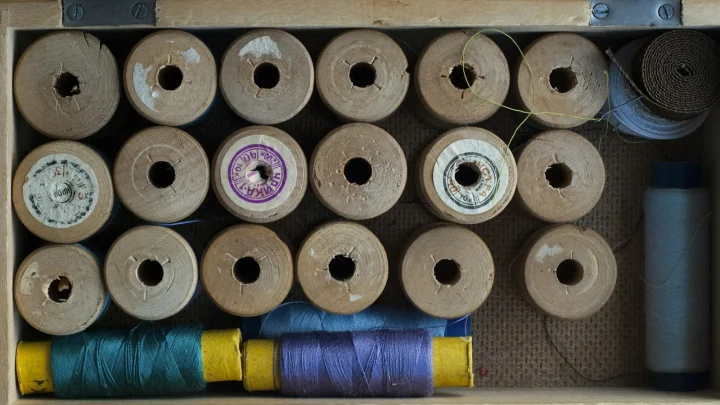
Almost every sewist owns the tin. It arrived with a grandmother’s machine, or from an estate sale, or from a friend clearing out a craft room, and inside it rattle forty bobbins in steel and plastic, wound with thread from three different decades.
The tin feels like a gift. It is closer to a trap, because those forty bobbins usually span three or four classes, and your machine accepts exactly one of them.
The differences hide from the naked eye. A Class 15 and a Singer 15J sit about 0.4 mm apart, less than the thickness of a credit card, and that sliver is enough to make tension wander, let thread slip under the case spring, and turn stitches ugly for no visible reason.
Here is how the five common classes differ, what each mismatch does inside the machine, and how to sort the whole tin in about 15 minutes with a metal ruler.
A Bobbin Is a Precision Part, Not Just a Spool
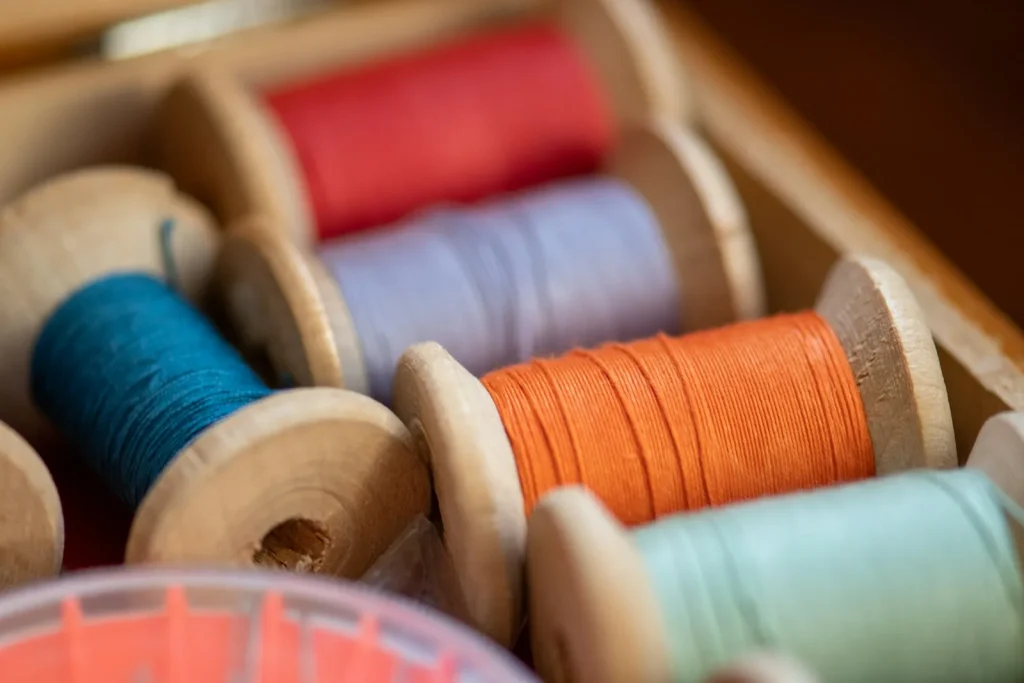
A bobbin looks like the simplest object in the sewing room: two flanges and a barrel. Inside the machine it works as a precision component, spinning in a case machined to tolerances of a few tenths of a millimeter.
Thread pays off the bobbin under a flat steel spring that expects the flange to sit at one exact height. The case expects the bobbin to turn with a small, constant amount of drag.
When the fit is right, bobbin thread feeds with even resistance and the stitch locks in the middle of the fabric layers. When the fit is off by half a millimeter, drag changes as the bobbin turns, and every change prints itself into the seam.
That is why your manual lists one specific part number instead of saying any small spool will do. The case, the spring, and the hook were all designed around a single shape, and the bobbin is the one part owners swap without thinking.
The Five Classes You Will Actually Meet
Dozens of bobbin styles exist across a century of machines, but home and small studio sewing runs on five. Learn these and the tin loses its mystery.
Class 15
The workhorse of modern home sewing: 20.3 mm wide and 11.7 mm tall, with flat sides and flat flanges. Most Brother and Janome models, Juki home machines, and older Kenmores take a Class 15, in front loading and top drop-in versions alike.
Class 15J
Singer’s near twin of the 15, and the troublemaker of the family. Its sides bow gently outward and its height runs about 0.4 mm off a true 15, close enough to drop into the wrong case and appear to work for a while. Modern Singers, including the Heavy Duty 4423 and the Stylist 7258, want the 15J and nothing else.
Class 66
The vintage Singer standard, with clearly domed sides and a shorter body around 10.6 mm. The Singer 66, 99, 201, and the 221 Featherweight all use it, and many modern Singer top loaders still do. Those curved walls change how thread stacks and feeds, which is exactly why a 66 behaves badly inside a flat sided case.
L-style
The short one: 20.3 mm wide but only 8.9 mm tall. L bobbins run most single needle industrials, including Juki’s DDL straight stitch machines, plus dedicated embroidery machines from Brother and Baby Lock. Prewound L bobbins are an entire industry of their own, which tells you how standardized the class is.
M-style
The big one, built for longarm quilting machines: 24.9 mm wide and about 10.7 mm tall, obvious the moment you set it beside the others. HandiQuilter, Gammill, and APQS longarms run M bobbins because a longarm eats thread far too fast for anything smaller.
One caution before the chart: several European brands, Bernina on many models in particular, use proprietary bobbins that match nothing on a chain store rack. When in doubt, the manual outranks every chart, including this one.
| Class | Width | Height | Sides | Typical machines |
|---|---|---|---|---|
| 15 | 20.3 mm | 11.7 mm | Flat | Brother CS series, Janome front loaders, Juki HZL, older Kenmore |
| 15J | 20.3 mm | 11.3 mm | Gently bowed | Singer 4423, 4452, 7258, most modern Singers |
| 66 | 20.3 mm | 10.6 mm | Domed | Singer 66, 99, 201, 221 Featherweight |
| L | 20.3 mm | 8.9 mm | Flat | Juki DDL industrials, Brother and Baby Lock embroidery |
| M | 24.9 mm | 10.7 mm | Flat | HandiQuilter, Gammill, APQS longarms |
Watch out
A multipack labeled universal fits the blister card, not your machine. There is no universal bobbin. If the packaging does not name a class and list compatible models, leave it on the shelf, even at $2.99 for 50.
What a Wrong Bobbin Actually Does in There
A wrong bobbin rarely stops a machine outright. It degrades the stitch quietly, which is worse, because you spend weeks blaming thread, needles, fabric, and yourself.
Rattling. A 66 or a 15J sitting in a true 15 case is short or bowed, so it tilts and bounces while the hook spins at 800 stitches per minute. You hear a light tick or feel a buzz through the machine bed that was not there before.
Tension that drifts. A tilted bobbin spins unevenly, so drag on the bobbin thread rises and falls with every rotation. Stitches alternate tight and loose in slow waves along the seam, and you chase the top dial from 3 to 6 without ever landing on a number that holds.
Thread slipping under the case spring. The flat spring on the bobbin case grips thread at a set height. A flange that sits 0.4 mm low lets thread ride under the edge of that spring, bobbin tension drops to nearly zero, and loops bloom on the underside of the fabric.
Cracked cases and hook strikes. Forcing a tall bobbin into a shallow drop-in case flexes the plastic on every stitch until it cracks near the spring. A truly oversize bobbin can rub the rotating hook itself, which turns a $4 mistake into a $150 repair visit.
Of the mystery tension machines that cross a repair bench, the ones nobody can explain, about half trace back to a mixed jar of inherited bobbins. The owner swears nothing changed. The bobbin did.
Identify Any Bobbin in Three Measurements
Sorting bobbins takes a ruler marked in millimeters, decent light, and a flat table. A $12 digital caliper makes the job faster and surer, because you are separating heights of 8.9, 10.6, 11.3, and 11.7 mm.
- Unwind the bobbin completely, since leftover thread hides the flange shape and pads the numbers.
- Lay it flat and measure across the flange: about 20.3 mm for Classes 15, 15J, 66, and L, and 24.9 mm for M.
- Stand it up and read the height at eye level against the ruler edge.
- Study the sides: flat walls mean 15 or L, a gentle bow means 15J, a clear dome means 66.
- Confirm the result against the part number printed in your manual before buying anything.
Then let the machine give the final answer. Unplug it, open the bobbin area, and lift out a bobbin that shipped with the machine. That factory bobbin is your reference standard, and it outranks every chart ever printed.
Plastic or Metal Is Part of the Spec
Class covers size and shape. Material is the other half of the specification, and it follows one rule: run what the machine shipped with.
Some machines brake the bobbin with a small magnet in the case so it cannot overspin when you stop sewing. Those need metal bobbins, since a magnet has no grip on plastic, and slack loops of backlash are the telltale symptom after someone swaps in a plastic pack.
Many top drop-in machines specify plastic for the opposite reason. Their case and tension spring were tuned around a light bobbin, a steel one adds drag and long term wear, and clear plastic also lets the low thread sensor watch how much is left.
Vintage front loaders from the 1950s and 1960s generally ran steel and still should. If the manual allows both materials, either works, but avoid mixing them within one project, because the weight difference alone shifts bobbin tension a little.
What to Do With the Tin
Keep the tin, but sort it this afternoon. Spread everything out, run each bobbin through the three measurements, and bag the results by class, one labeled zip bag per group. Forty bobbins take about 15 minutes.
Only your machine’s class goes back in the sewing table drawer. Strip off the inherited thread while you are at it, since cotton grows brittle over decades and snaps mid seam, then rewind with fresh thread. Bobbins from the other classes make a kind gift for a friend whose machine actually takes them.
Then buy one small insurance policy: a 10 pack of the correct class from your machine’s brand, usually $6 to $10, with the model number written on the package in marker. The next time tension drifts for no reason, check the bobbin before the dial. Most days, that is the entire repair.
A related habit worth building comes from Sewing Machine Tension: How It Really Works.
Frequently asked questions
Can I use a Class 66 bobbin in a machine that takes Class 15?
No. A Class 66 bobbin has domed sides and stands about 1 mm shorter, so it tilts and chatters inside a Class 15 case. The thread then feeds with uneven drag and the stitch tension wanders. Use the exact class your manual lists.
What bobbin does the Singer Heavy Duty 4423 use?
It takes the Class 15J, Singer's own variant of the Class 15. The two look alike but differ by about 0.4 mm, and the 15J has gently bowed sides. A Singer branded pack of 10 costs about $6 and is the safe buy.
Are prewound bobbins safe to use?
Yes, when the class matches and your manual allows them. Embroidery machines that take L style bobbins run prewounds all day long. Check whether your model wants the cardboard sides left on or removed, and never force a prewound that measures taller than your class.
How do I measure a bobbin without a caliper?
Stand the bobbin next to a metal ruler on a flat table and read the height at eye level, then lay it down and measure across the flange. You are separating 8.9, 10.6, 11.3, and 11.7 mm, so read twice. A $12 digital caliper removes the squinting.
Why does my machine rattle with brand new bobbins?
A rattle that starts with a new pack usually means the class is wrong or the pack is out of spec. Cheap multipacks vary by several tenths of a millimeter between bobbins. Drop a factory original back in, and if the noise stops, return the pack.

Amit Sisodia
Amit Sisodia is a longtime sewing enthusiast and hobbyist repair tinkerer who has spent years diagnosing tension quirks, jammed bobbins, and stubborn feed dogs across everything from vintage treadle Singers to modern computerized machines. He writes practical, tested guides for BobbinWise so home sewists can spot problems early, tackle safe repairs themselves, and know when it's smarter to call in a technician.